
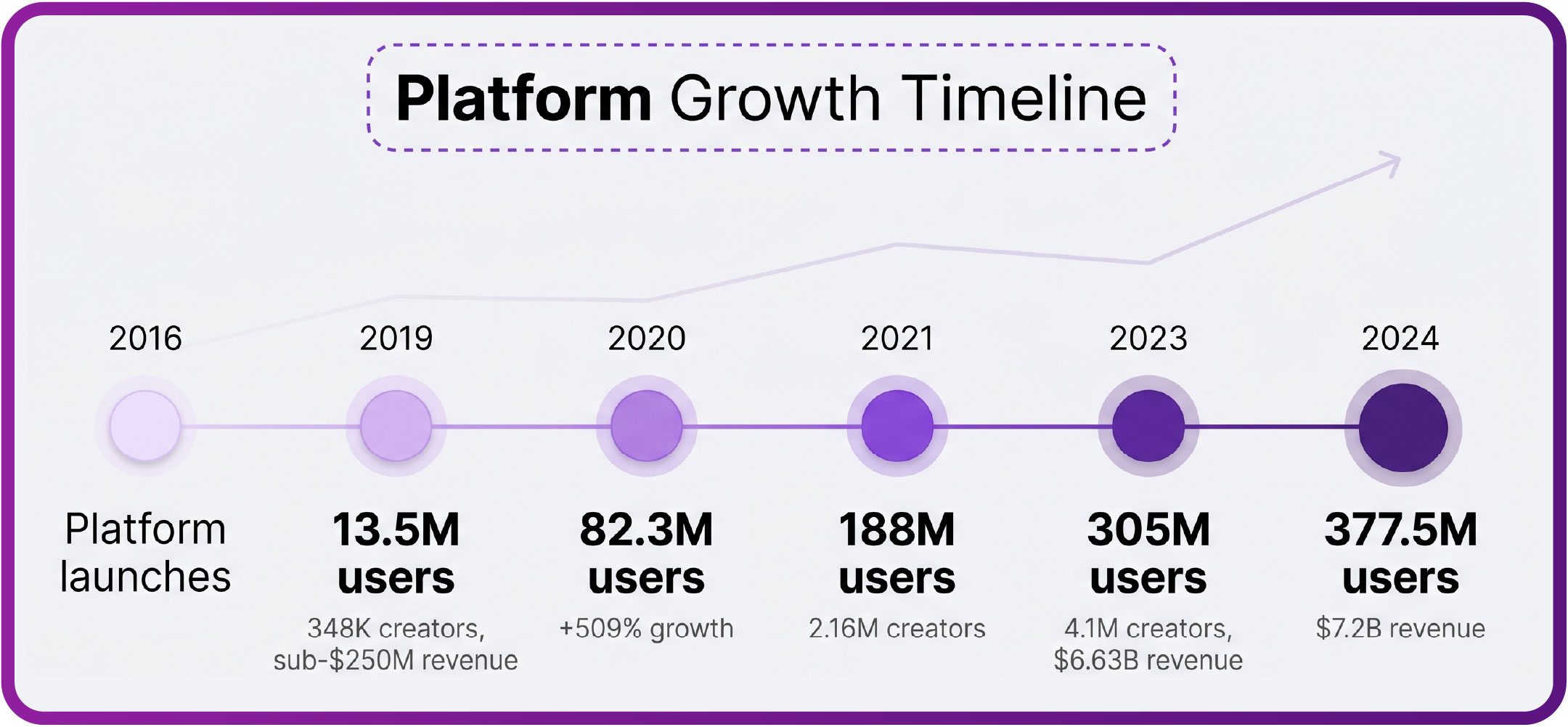
OnlyFans runs on instant access: once a payment clears, the content is unlocked. That speed is why refund expectations differ so sharply from buying a physical product. A damaged shirt can be shipped back; a paid message that has already been opened cannot. This guide explains how refunds on the platform actually work, which situations carry a realistic chance of success, and how to structure purchases so a refund request never becomes necessary.
BestOnlyFans tracks platform policy updates so subscribers understand the terms they accept before spending. BestOnlyFans refreshes its rankings every month.
It is that digital purchases sit in a different category under both platform terms and most consumer protection frameworks.
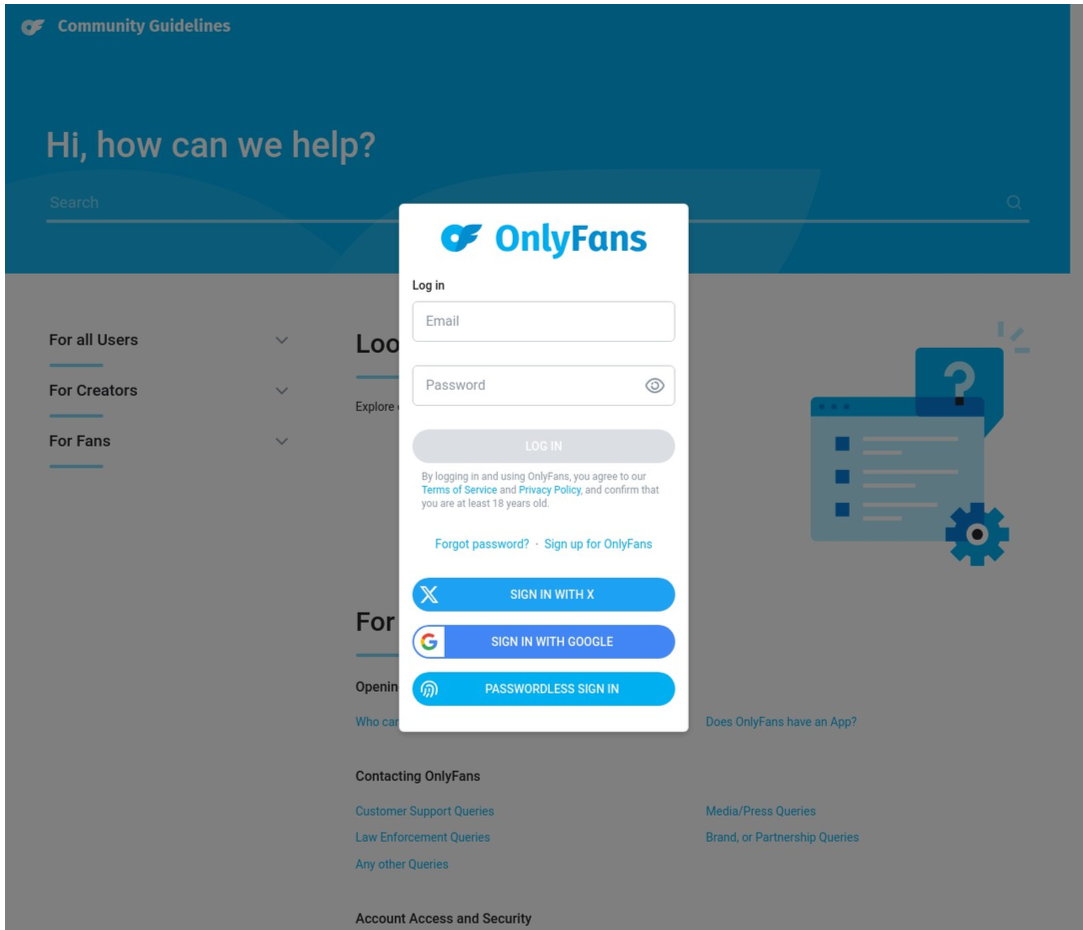
How Digital Content Refunds Differ From Physical Goods
Physical goods can be returned because ownership transfers back to the seller. Digital content cannot be un-consumed. Once a subscriber opens a locked post, downloads a media file, or reads a paid message, the value has been delivered in full from the platform’s perspective.

Three structural differences shape every refund decision. Consumption is immediate and irreversible. The platform acts as an intermediary rather than the seller in most cases, which limits what it will adjudicate. The terms of service frame purchases as final unless a specific failure occurred.
Consumer law in most jurisdictions treats digital content as its own category. Many countries grant a withdrawal right for online purchases but carve out an exception once delivery has begun with the buyer’s consent.
Tip: Before any purchase, screenshot the creator’s page showing the subscription price, the stated content description, and the date. If something goes wrong later, that screenshot is the single most useful piece of evidence you can hold.
The practical consequence is that “I changed my mind” is not a refund category. Neither is “the content was not to my taste.” Eligibility hinges on whether the platform failed to deliver what was promised, not on whether the subscriber enjoyed it.
OnlyFans Platform Refund Policy Structure
The official position is narrow by design. The platform commits to investigating cases where a payment was processed but the corresponding access was never delivered. Everything else falls under platform discretion, so outcomes vary with evidence quality and the specific circumstances of the request.
The table below summarises how the three most common request types typically resolve. These are observed patterns, not guarantees, because each ticket is reviewed individually.
| Request Type | Typical Outcome | Evidence Required |
|---|---|---|
| Access never granted after payment | Higher success rate; platform investigates directly | Screenshot of payment confirmation and the error state |
| Content quality disappointment | Lower success rate; subjective standards apply | Description of what was promised versus delivered |
| Buyer’s remorse after viewing | Minimal success; explicit policy exclusion | None accepted; purchase is treated as final |
Two operational details matter here. A card verification hold of $0.10 is placed when a payment method is added, and that amount returns automatically within days. Separately, when a creator raises their subscription price, auto-renew stops for existing subscribers. Access continues until the paid period ends, and no partial refund is issued for the unused remainder.
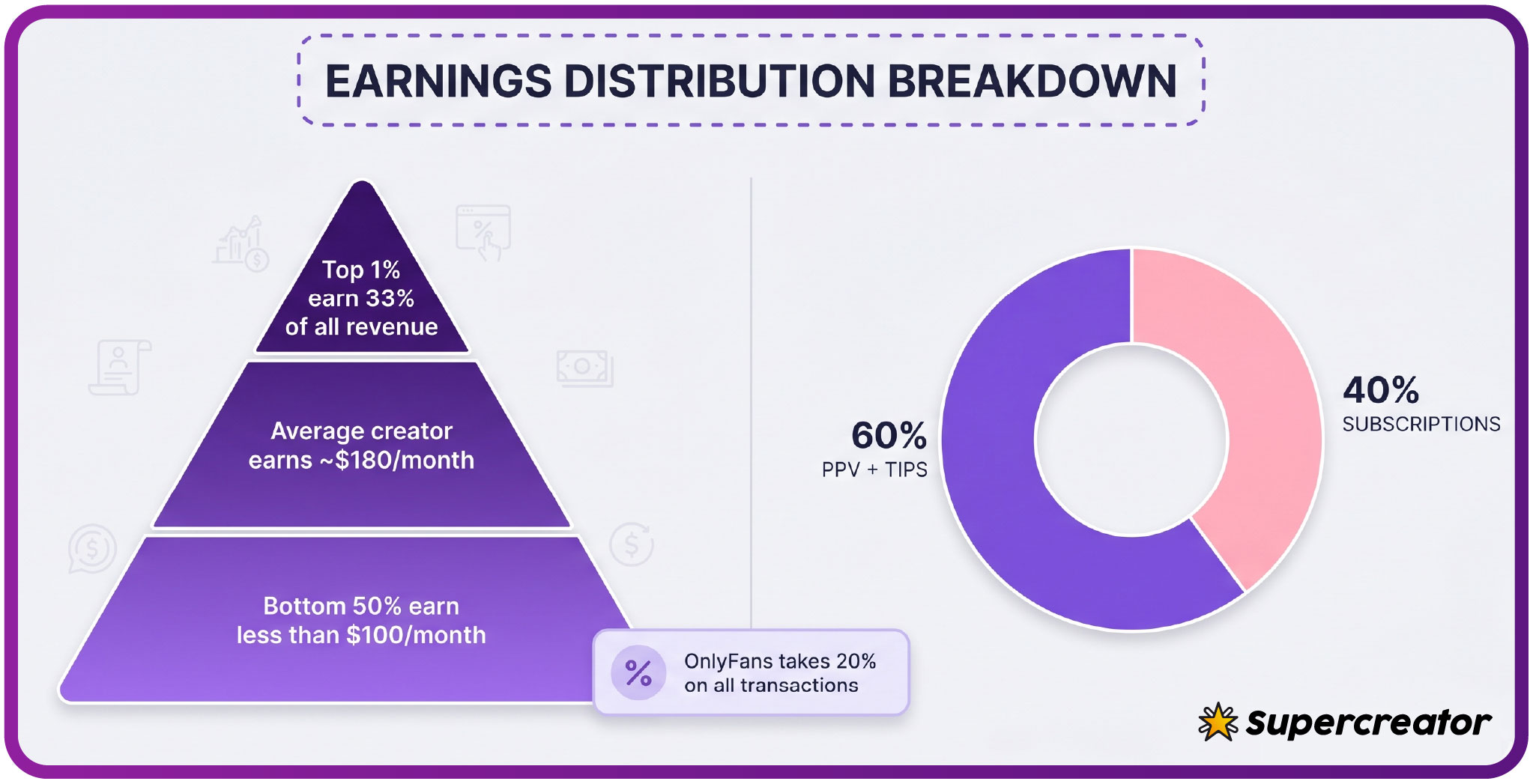
Understanding the money flow helps set expectations. The platform takes a 20% fee on every transaction and the creator keeps 80%. A refund therefore claws money back from both parties, which is one reason the platform applies a high evidentiary bar before reversing a charge.
Scenarios With Higher Refund Success Probability
Some situations genuinely warrant a refund request, and these are the ones where subscribers report the most consistent outcomes. The common thread is a clear, documentable failure on the delivery side rather than a mismatch of taste.
- Payment processed but access never granted, leaving the subscriber locked out despite a completed transaction.
- Creator account deletion with prepaid subscription time still remaining on the clock.
- Duplicate charges for identical content caused by a checkout or processing error.
- Platform-side technical failures that prevented content from loading after payment cleared.
In each of these cases, the subscriber paid for something specific and did not receive it. That is a delivery failure, not a preference issue, and it is the category the platform is most willing to examine.
For renewals, cancellation timing decides everything. If a subscriber cancels before the renewal date, no further charge occurs and access runs to the end of the current period. When a renewal charge appears unexpectedly, the first step is confirming whether the cancellation was actually processed before the billing date.
The OnlyFans Dispute and Chargeback Pathway
Escalation follows a predictable sequence, and skipping steps rarely helps. The order below reflects how most successful disputes are structured.
- Contact the creator directly through the platform messaging system and describe the specific failure.
- Submit a support ticket to the platform with screenshots, transaction identifiers, and a clear timeline.
- Wait for the platform’s response period, which can take several business days depending on ticket volume.
- If the platform denies the request and the amount justifies it, contact the card issuer to open a dispute.
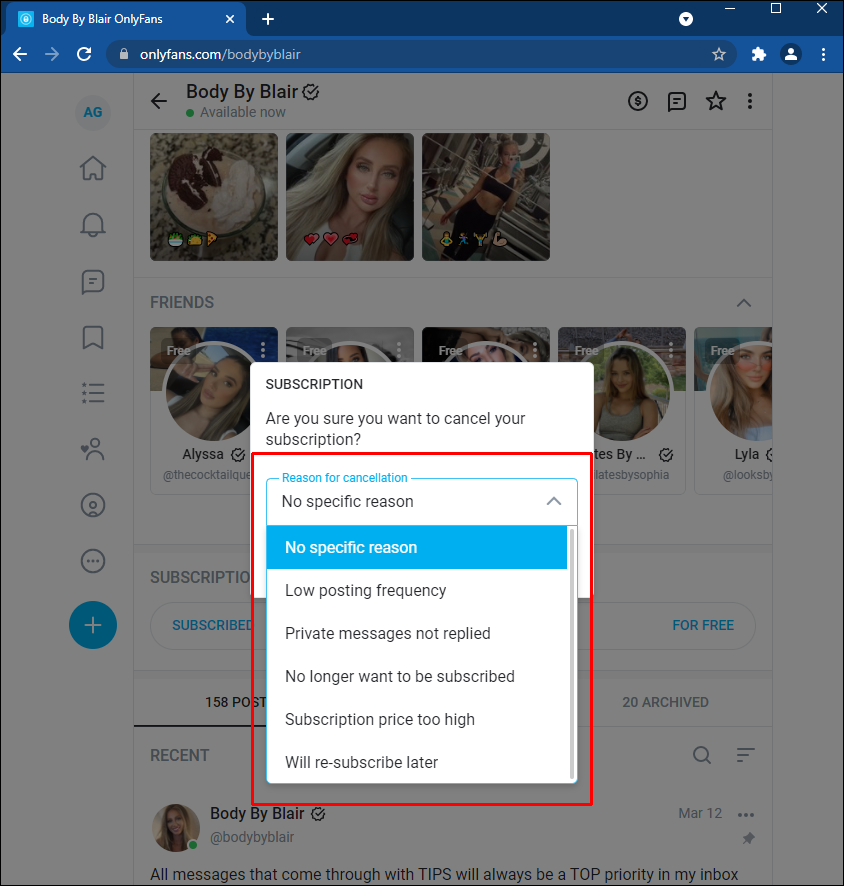
Chargebacks carry real consequences. A card issuer dispute is not a neutral action; it can result in the account being restricted or closed, and the platform may block the payment method entirely. This pathway suits significant amounts backed by strong evidence, not small disagreements.
Evidence quality decides most cases. Transaction IDs, timestamps, screenshots of the error, and the creator’s own written promises all carry weight. Vague descriptions of dissatisfaction do not. Subscribers who treat a dispute as a documentation exercise rather than a complaint consistently fare better.
Comparing Refund Policies Across Fan Platforms
Consumer protection varies meaningfully between services. Some platforms hand creators full control over refund decisions, while others apply a uniform policy across all accounts. Both the list and the table below outline structural differences rather than the fine print of each terms page.
- OnlyFans and Fansly both route disputes through platform support, with discretion applied case by case.
- Patreon leaves most refund decisions to the individual creator, so leverage depends on goodwill.
- Token-based cam sites treat credits as consumed on use, which leaves almost no reversal path.
- Subscription models generally allow more investigation time than prepaid credit systems.
| Platform | Digital Refund Approach | Subscriber Leverage |
|---|---|---|
| OnlyFans | Platform discretion with limited formal guarantees | Moderate; depends on documented delivery failure |
| Fansly | Similar structure with newer policy evolution | Moderate; comparable evidence standards |
| Patreon | Largely creator-controlled, platform minimal intervention | Lower; relies on creator goodwill |
| Traditional cam sites | Token-based with immediate consumption | Lowest; credits rarely reversed |
The pattern holds across the sector: the more immediate and tokenised the purchase, the less leverage a buyer has. Platforms built on subscriptions tend to allow slightly more room for investigation than those running on prepaid credits.
None of these services publishes a money-back guarantee in the traditional retail sense. Whether a subscription is a reasonable spend depends heavily on realistic expectations about what refund protection exists, which is worth weighing before committing to recurring payments. Anyone asking is onlyfans really worth it should factor refund risk into that calculation rather than assuming retail-style protections apply.
Preventing Refund-Needing Situations Before Purchase
Prevention beats dispute every time. A few minutes of verification before payment eliminates most of the scenarios that lead to refund requests. The checklist below covers the essentials.
- Verify the creator’s recent activity by checking posting dates on the public profile.
- Read existing subscriber feedback where the platform makes it visible.
- Confirm the content type matches what the page actually advertises.
- Screenshot the purchase terms, price, and any stated promises before completing checkout.
- Check whether the page charges a subscription or runs free with paid extras.

Paid subscriptions range from $4.99 at the minimum to $49.99 at the maximum, with most clustering between $5 and $10. Promotional first months can dip below $4.99, such as a $3 introductory offer, but base prices cannot go lower. Free pages set the price to $0 and earn through pay-per-view messages and tips instead. Knowing which model a page uses clarifies what is actually being purchased.
Pay-per-view messages unlock for up to $50, paid chat commonly runs $3 to $5 per message, and tips can reach $100. Agreeing on scope and turnaround inside the message thread creates a record that protects both sides if expectations diverge later.
When to Accept Loss and Move On Versus Pursuing Disputes
Not every failed purchase deserves a dispute. The framework below separates cases worth pursuing from those better written off. Time, evidence, and dollar amount are the three variables that matter most.
- High dollar amount relative to your typical spend, which justifies the effort involved.
- Clear evidence of delivery failure rather than a subjective quality complaint.
- A pattern of similar complaints about the same creator or page.
- Platform acknowledgement that a technical fault occurred on their side.
When none of these indicators are present, the realistic move is to cancel any recurring subscription, leave honest feedback where possible, and redirect attention elsewhere. Pursuing a weak dispute consumes hours and risks account restrictions that outweigh a small loss.
This methodology mirrors how BestOnlyFans evaluates platform policies: weigh documented evidence against realistic outcomes rather than assuming the most favourable result. The same discipline applies to individual purchase decisions and to how much weight you place on refund protection when choosing where to spend.
FAQ
Can I get a refund on OnlyFans if I simply didn’t like the content I paid for?
Generally no. The platform treats completed purchases as final because digital content cannot be returned once viewed. Dissatisfaction with quality or style falls under policy exclusions, and support tickets based purely on preference are routinely declined.
What evidence should I collect before requesting an OnlyFans refund?
Screenshots of the payment confirmation, transaction identifiers, timestamps, and any error messages are the core items. If the creator made written promises in messages, save those too. Evidence demonstrating a delivery failure carries far more weight than a description of unhappiness with the content.
How long does OnlyFans typically take to respond to refund requests?
Response times vary with ticket volume and can run several business days. Smaller queries may resolve faster, while disputes requiring payment record investigation take longer. Following the escalation sequence, starting with the creator and then the platform, tends to produce clearer outcomes than a single rushed complaint.
Will requesting a chargeback affect my OnlyFans account status?
It can. Card issuer disputes are treated seriously, and the platform may restrict or close the account connected to the payment method. A chargeback should be reserved for significant amounts backed by strong evidence, not for minor disagreements that internal support could resolve.